September 22, 2026
Asphalt surfaces are a major investment for any property, adding both curbside visual appeal and functional value to residential or commercial spaces. The overall life expectancy of these paved areas relies heavily on deliberate preservation routines and proactive management practices. Understanding how to handle environmental exposure, physical weight, and natural surface wear allows property owners to protect their initial financial layout for decades. A long-term surface management plan prevents small, invisible flaws from developing into extensive structural failures that demand early replacement. Dedicated oversight protects your driveway or parking area from unnecessary deterioration.
Every property owner must recognize that paved surfaces face continuous stress from fluctuating weather, heavy traffic, and chemical spills. By adopting structured preservation tactics early on, you can maintain surface integrity while avoiding unexpected emergency expenditures. Utilizing structured maintenance, professional interventions, and seasonal adjustments will shield your driveway or parking area from premature failure. Implementing these steps ensures that your investment remains a reliable asset to your property for many years to come. Taking action today safeguards your paved surfaces against long-term structural issues.
1. Regular Maintenance and Inspection
Routine evaluations form the backbone of any effective pavement preservation program. Catching minor vulnerabilities such as small fissures or slight depressions early prevents them from expanding into severe structural failures that demand full surface replacement. Conducting thorough checks at the start of each season helps identify how recent weather patterns and traffic volume have affected the structural integrity of the area. Property owners should document surface changes over time to anticipate necessary maintenance interventions well before minor issues turn into major hazards. Detailed records make it easy to track how structural issues develop over time.
Modern tools offer advanced ways to monitor surface conditions over large spaces. Aerial imaging can easily reveal widespread wear patterns or drainage issues that might go unnoticed from ground level. Infrared thermal assessment tools can also detect hidden sub-surface moisture and voids before surface collapsing occurs. Addressing minor surface flaws early keeps repair costs low and prevents deep moisture penetration into the supporting sub-base layer. Partnering with a skilled paving contractor ensures that these routine assessments are conducted with professional precision and appropriate diagnostic tools. Visualizing hidden structural weaknesses allows for precise interventions before surface damage spreads.
2. Professional Sealcoating for Protection
Applying a high-quality sealcoat creates a resilient barrier against ultraviolet rays, harsh chemicals, and water intrusion. Over time, sunlight breaks down the binding oils in the surface, leading to fading, brittleness, and eventual cracking. Gasoline, motor oil, and automotive fluids can also soften the asphalt matrix, making it far more vulnerable to physical damage. Regular application of top-tier sealants restores essential surface flexibility while creating a dark, uniform appearance that greatly enhances overall curb appeal. Consistent sealcoat applications keep harsh chemicals from penetrating deep into the material.
By adopting a combination of regular maintenance, proactive repairs, and smart management strategies, property owners can significantly extend the lifespan of their asphalt surfaces. According to This Old House, asphalt paving can last 15 to 20 years with regular sealing, emphasizing the importance of consistent upkeep and care. Scheduling a professional application every two to four years preserves both the flexibility and deep black finish of the surface. A professional team brings commercial equipment and specialized material blends that ensure optimal thickness, consistent curing, and maximum structural defense against daily environmental exposure. Relying on professional sealcoating ensures your pavement stays well protected through extreme seasonal weather.
3. Strategic Drainage Solutions
Standing water is one of the most destructive forces facing any paved area. When moisture collects on the surface, it eventually finds its way into sub-surface layers, weakening the underlying gravel support and causing localized cave-ins. Freezing temperatures exacerbate this damage as trapped water expands, pushing asphalt particles apart and forming severe cracks. Proper slope grading and dedicated runoff channels are necessary components of any long-lasting paving design. Effective drainage prevents water from sitting on top of the surface after heavy rainfall.
Keeping drainage pathways clear of fallen leaves, soil, and organic debris is essential to maintaining surface performance. In areas with high rainfall, specialized porous surface materials or French drains can be integrated to allow excess moisture to filter directly away from structural layers. Consulting an experienced paving contractor helps identify hidden slope deficiencies and structural low spots that gather dangerous standing water. Proactive drainage planning eliminates water pooling and protects the foundation against erosion, keeping the surface safe and stable year after year. Proper drainage systems prevent moisture from destroying the underlying foundation of your pavement.
4. Traffic Control and Weight Management
Every paved area is engineered to support specific weight capacities based on its underlying foundation depth and material composition. Regularly exceeding these limits causes deep structural damage, such as rutting, severe depression, and widespread cracking. Commercial spaces and residential driveways alike must accommodate different vehicle types while keeping heavy machinery away from vulnerable surface edges. Property owners must evaluate the types of vehicles frequenting their premises and establish strict rules to prevent heavy equipment from overloading delicate surface zones. Clear load restrictions prevent oversized vehicles from causing severe structural rutting.
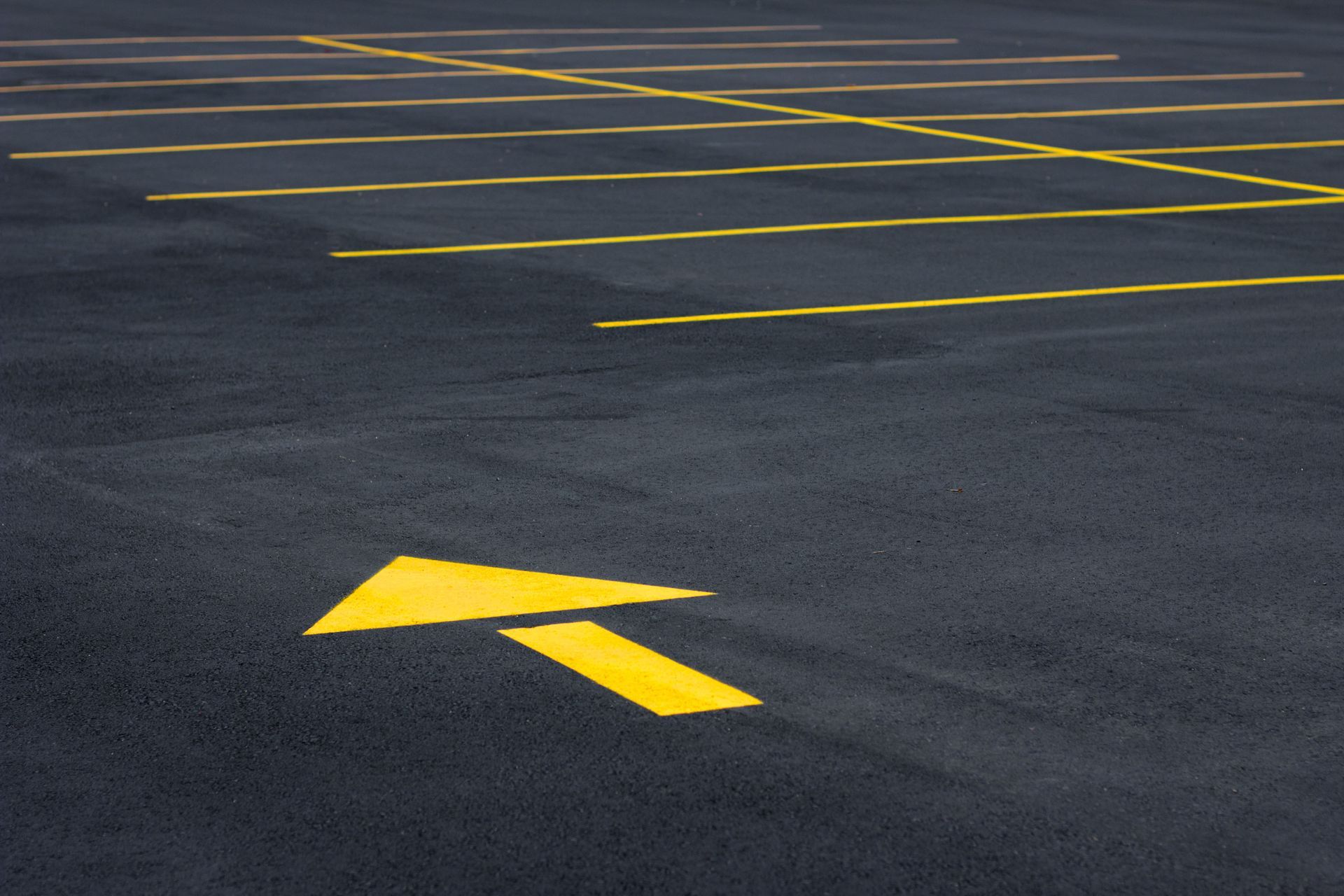
Strategic traffic control helps distribute physical wear more evenly across the entire surface. Installing clear directional signs, painted lane guides, and physical curb barriers prevents heavy delivery vehicles from turning tightly or parking on unsupported surface margins. Alternating parking layouts and delivery schedules can also prevent repeated concentrated loading on specific zones. Managing vehicle weights and routing traffic thoughtfully prevents localized stress, preserves structural integrity, and delays the need for major structural restoration. Distributing vehicle weight prevents premature breakdown in high-traffic sections of the surface.
5. Timely Repair Work
Even with meticulous care, surfaces eventually show signs of wear, such as minor cracking or small potholes. Addressing these vulnerabilities immediately prevents water from infiltrating the sub-base, which is especially critical before cold weather arrives. Small cracks left unattended through winter freeze cycles rapidly expand into deep, destructive potholes that require extensive excavation. Prompt repair efforts protect the underlying layers from degradation, keeping the overall structure intact. Early crack sealing stops moisture before it can disrupt the supporting base layers.
Planning a designated annual maintenance budget ensures that needed repairs are completed without delay. Relying on temporary surface patches often fails to solve deep underlying issues, leading to repeated failures under heavy traffic loads. Working alongside an expert paving contractor ensures that hot mix asphalt is properly compacted into damaged spots, forming a seamless and lasting bond with the surrounding area. Investing in permanent, high-quality repair solutions preserves structural stability and extends the overall life of the surface for years. Fast response times ensure that minor surface cracks do not escalate into full-scale repaving projects.
Maximizing the lifespan of your paved surfaces requires consistent attention, proper water management, heavy load control, and expert repair work. Implementing these key management strategies will preserve both the structural strength and appearance of your surface for many years. Regular upkeep protects your property from costly, premature replacement projects while maintaining safety and functional value. Establishing a proactive management routine is the most reliable way to secure your original surface investment. Ongoing commitment to upkeep protects your pavement from severe wear and degradation.
When you need high-quality application services, structural repairs, or customized maintenance plans, turn to Black Arts Paving, LLC. Relying on an experienced
paving contractor ensures your surface receives top-tier materials, proper execution, and long-lasting protection against environmental wear. Professional care removes the guesswork from maintenance and delivers long-term peace of mind. Contact us today to schedule your comprehensive surface assessment and protect your paving investment for the future.