May 21, 2026
From cost-effectiveness to aesthetics, asphalt offers a variety of benefits that make it the material of choice for paving projects worldwide. Understanding these aspects can help you make informed decisions about material selection and project planning. Let's explore the reasons that contribute to asphalt's popularity in the paving industry.
1. Cost-Effectiveness of Asphalt
Asphalt is renowned for its cost-effectiveness, which is a major contributor to its widespread use. Its initial installation costs are relatively low compared to other paving materials, making it an attractive option for many projects. The ease with which asphalt can be produced and supplied contributes to its affordability. Moreover, the competitive pricing of asphalt compared to alternatives like concrete ensures that it remains a preferred material for budget-conscious developers and municipalities. Its cost-effectiveness extends beyond initial installation, cementing its status as a leader in the paving industry.
Long-term maintenance savings are another key factor in the cost-effectiveness of asphalt. Unlike many other paving materials, asphalt requires minimal upkeep, which translates to significant savings over the lifespan of a pavement. By investing in periodic maintenance with an asphalt paving company, such as seal coating, the surface life of asphalt is extended substantially. These savings can be substantial over time, especially in large-scale projects where initial costs can significantly impact budget allocation. The ongoing savings make asphalt a worthwhile investment in infrastructural development.
The availability of materials needed for asphalt production ensures that the supply remains steady. Asphalt is composed of readily available raw materials, making it less susceptible to supply chain disruptions. Economies of scale in production further enhance its affordability, as large-scale manufacturing processes help reduce costs. The strategic sourcing and production processes enable asphalt to compete effectively with alternative paving materials. This reliability in both cost and availability underscores asphalt's enduring popularity in the paving sector.
2. Durability and Longevity
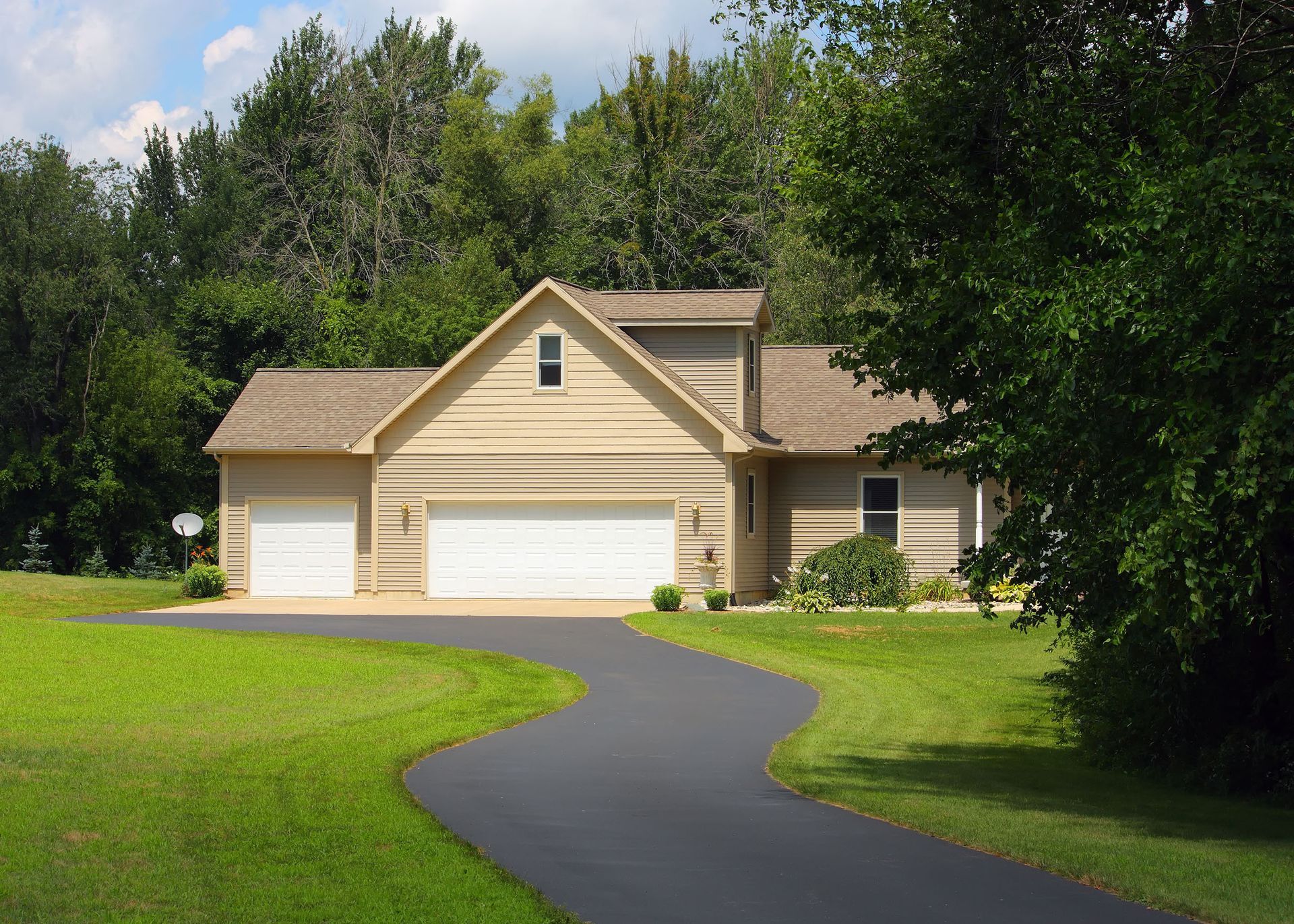
Asphalt's durability and longevity are among its most significant attributes. Its ability to withstand the rigors of daily traffic and harsh weather conditions makes it exceptionally resilient. The material's flexibility allows it to adapt to different loads, reducing the risk of cracks and surface damage. Additionally, technological advancements have improved the quality of asphalt, further enhancing its durability. These improvements ensure that an asphalt paving company can address paving projects of all sizes, from small driveways to major highways.
Asphalt's adaptability to different climates is a crucial advantage. Whether used in hot, humid, cold, or arid environments, asphalt performs well. This versatility is due to the material's unique composition, which allows it to expand and contract without degrading. As such, asphalt can be used globally, in diverse geographical locations, and still maintain its functional and aesthetic appeal. The ability to perform well across varied climates is a testament to its mechanical and chemical resilience.
Sustainability is another critical factor in asphalt's longevity. Over time, asphalt pavements can be maintained easily and efficiently, with reapplication processes contributing to their sustainability. The recyclability of asphalt means that materials can be reused, reducing environmental impact and conserving resources. This attribute aligns with global sustainability goals and helps reduce carbon footprints. The combination of durable performance and environmental responsibility makes an asphalt paving company an ideal choice for long-lasting infrastructure.
3. Ease of Installation
The ease of installation is a significant advantage of using asphalt in paving projects. Time-effective installation processes allow for quicker project completion, reducing labor costs and traffic disruptions. Asphalt's pliability and compatibility with existing surfaces make it easy to work with, minimizing the need for complex equipment. Despite the ease of installation, quality is not compromised, thanks to refined techniques that ensure robust and durable results. The efficient installation process makes asphalt a favorite for developers seeking swift project turnaround.
Moreover, installation by an asphalt paving company will cause minimal disturbance to surrounding areas, a benefit particularly appreciated in urban environments. The application process generates less noise and disruption compared to other paving methods. This reduction in disturbance is advantageous in residential areas, schools, hospitals, and other sensitive points, facilitating uninterrupted daily activities. Simplified equipment and techniques further streamline the installation process, ensuring smooth, rapid, and efficient application. These attributes contribute to the overall convenience of using asphalt for diverse paving needs.
Flexibility in project scheduling and the availability of a skilled workforce further enhance the ease of installing asphalt. Seasoned professionals in the asphalt industry can quickly adapt to project demands, ensuring timely completion. The trained workforce is adept at the nuances of asphalt application, from temperature management to weather considerations. According to Market Intelo, the global paving contractor insurance market size is expected to reach $7.3 billion by 2033, demonstrating the industry's recognition of risk management and workforce reliability. Together, these factors ensure asphalt remains a key player in paving projects globally.
4. Aesthetic Versatility
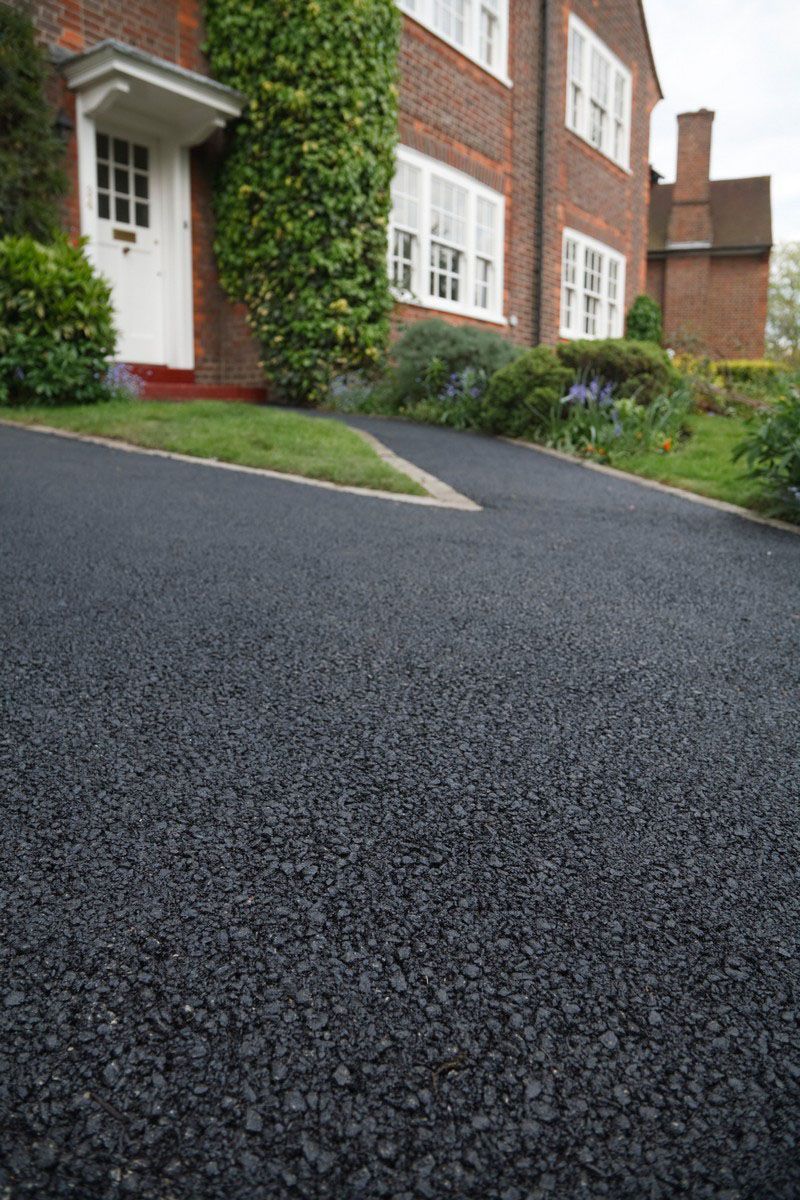
Asphalt's aesthetic versatility is another compelling reason for its popularity. It offers a variety of colors and finishes, allowing for customization to suit aesthetic and design needs. Whether in residential driveways or bustling urban streets, asphalt can blend harmoniously with existing landscapes. From sleek blacktop surfaces to vibrant tinted pavements, the material provides diverse options. These aesthetic choices offer opportunities to enhance visual appeal while retaining the functional advantages of asphalt.
In addition to color options, asphalt can also blend seamlessly with urban and natural landscapes. Its adaptability makes it suitable for both urban environments and rural settings, contributing to cohesive visual integration with surrounding features. Innovative textures and patterns can be introduced by an asphalt paving company to add an element of creativity and design, transforming standard pavements into eye-catching surfaces. These customizable design options further enhance asphalt's appeal, offering something unique to each project.
The enhancement of visual appeal in renovation projects is another benefit of asphalt's aesthetic versatility. Its capability to revitalize older surfaces with a fresh, modern look makes it a preferred material for refurbishment projects. Asphalt's innovative textures, patterns, and finishes can update outdated driveways and roads, bringing new life to old infrastructure. These advantages demonstrate asphalt's ability to meet contemporary aesthetic expectations while delivering reliable performance. The material's aesthetic versatility supports its continued popularity in diverse paving applications.
5. Safety Features
Safety is a paramount consideration in the selection of paving materials, and asphalt excels in this regard. The material provides skid resistance and traction, enhancing road safety for vehicles. This feature is particularly crucial in wet conditions, where traction is necessary to prevent accidents and ensure safe braking. Asphalt's skid resistance contributes to a safer driving experience, whether on highways or residential streets. The overall safety-enhancing properties of asphalt support its ongoing use in a variety of paving projects.
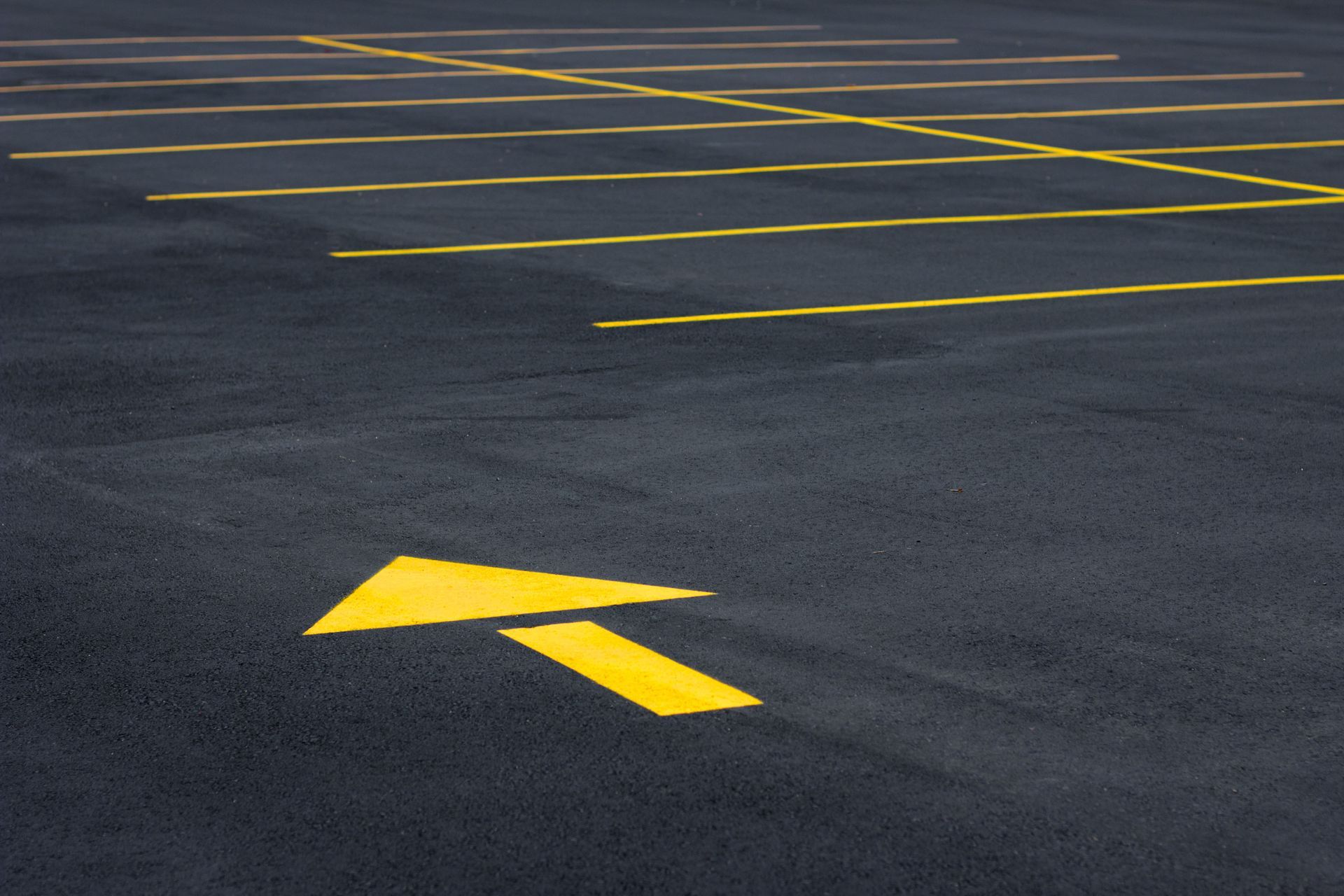
The integration of asphalt with traffic management systems offers further safety benefits. Asphalt pavements can be equipped with reflective properties, enhancing visibility during night driving. This reflection of light ensures that road markings and signage are visible in low-light conditions, helping to prevent accidents. Furthermore, asphalt's noise reduction benefits help minimize noise pollution in urban areas, contributing to a more pleasant and peaceful environment for residents. These combined features make asphalt a secure and thoughtful choice for paving projects.
Temperature regulation on pavement surfaces is another safety advantage of asphalt. Asphalt can withstand temperature fluctuations without significant performance degradation, preventing surface deterioration. This characteristic is essential in regions with extreme weather conditions, where temperature-induced cracking or buckling can occur. Additionally, asphalt can be designed to absorb less heat, contributing to a cooler surface temperature and minimizing the urban heat island effect. Together, these safety features underscore why an asphalt paving company is a popular choice when a project needs quality paving solutions.
Asphalt's unique combination of economic and practical advantages ensures its continued dominance in the paving industry. Its widespread adoption is a testament to its unmatched performance in cost, durability, installation, aesthetics, and safety. If you're ready hire an asphalt paving company to install this versatile and durable material, reach out to Black Arts Paving, LLC today and get started with a free estimate!